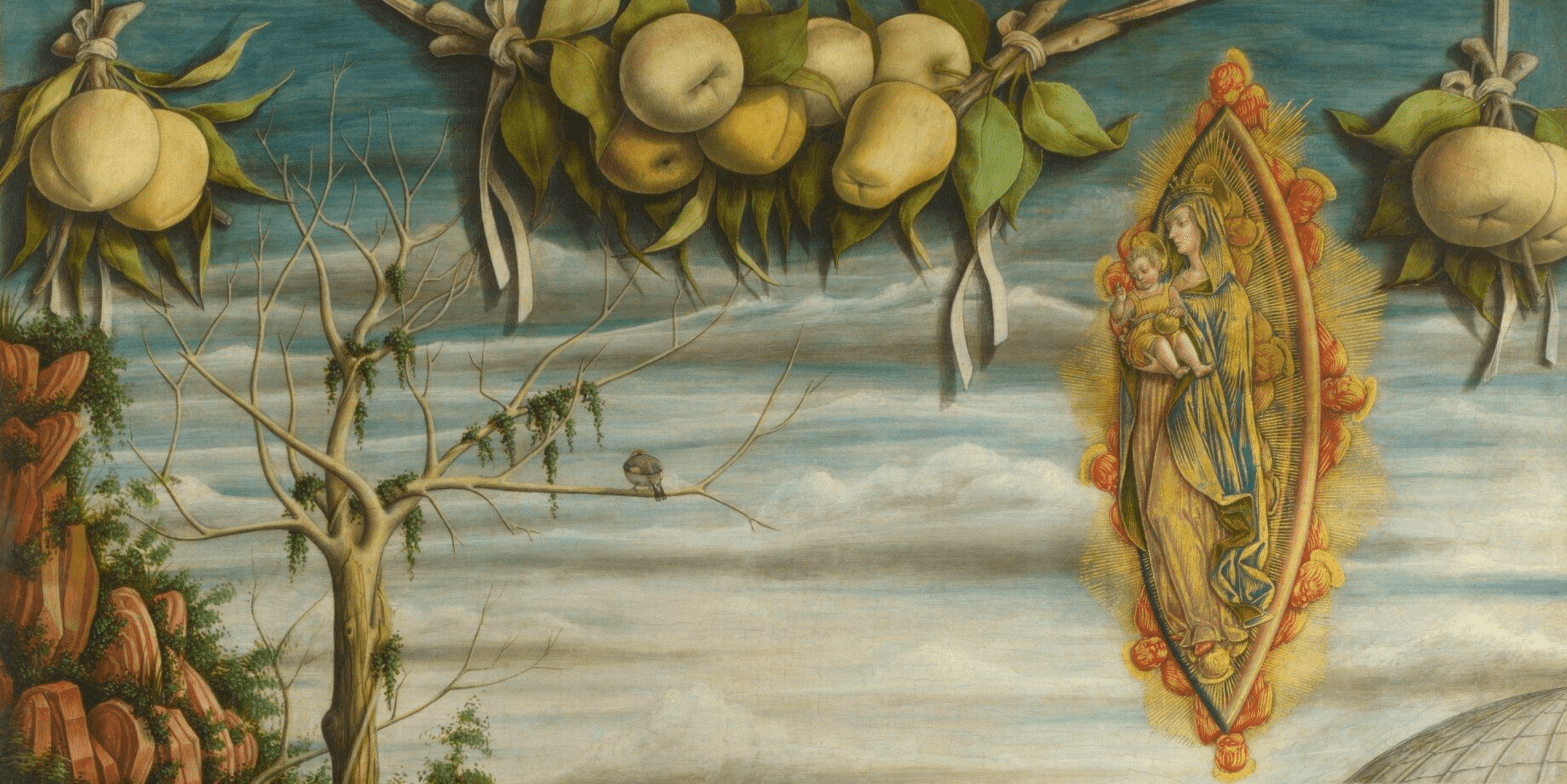
Carlo Crivelli, The Vision of the Blessed Gabriele, probably about 1489. The National Gallery, London. One of the most dramatic vistas I’ve ever seen in a museum is new – and it is one of the splendours of the new hang of the Sainsbury Wing of the National Gallery in London. Indeed, I’ve been usingContinue reading “253 – A vision, closer than you think”
Tag Archives: History of Art
252 – Beauty and the Beast

Netherlandish or French, The Madonna and Child with Saints Louis and Margaret, about 1510. The National Gallery, London. My first talk about the newly refurbished Sainsbury wing, this Monday, 30 June at 6pm, is entitled Opening up the North. There are various reasons for choosing this title, which I will discuss during the talk itself.Continue reading “252 – Beauty and the Beast”
251 – Heaven brought down to earth
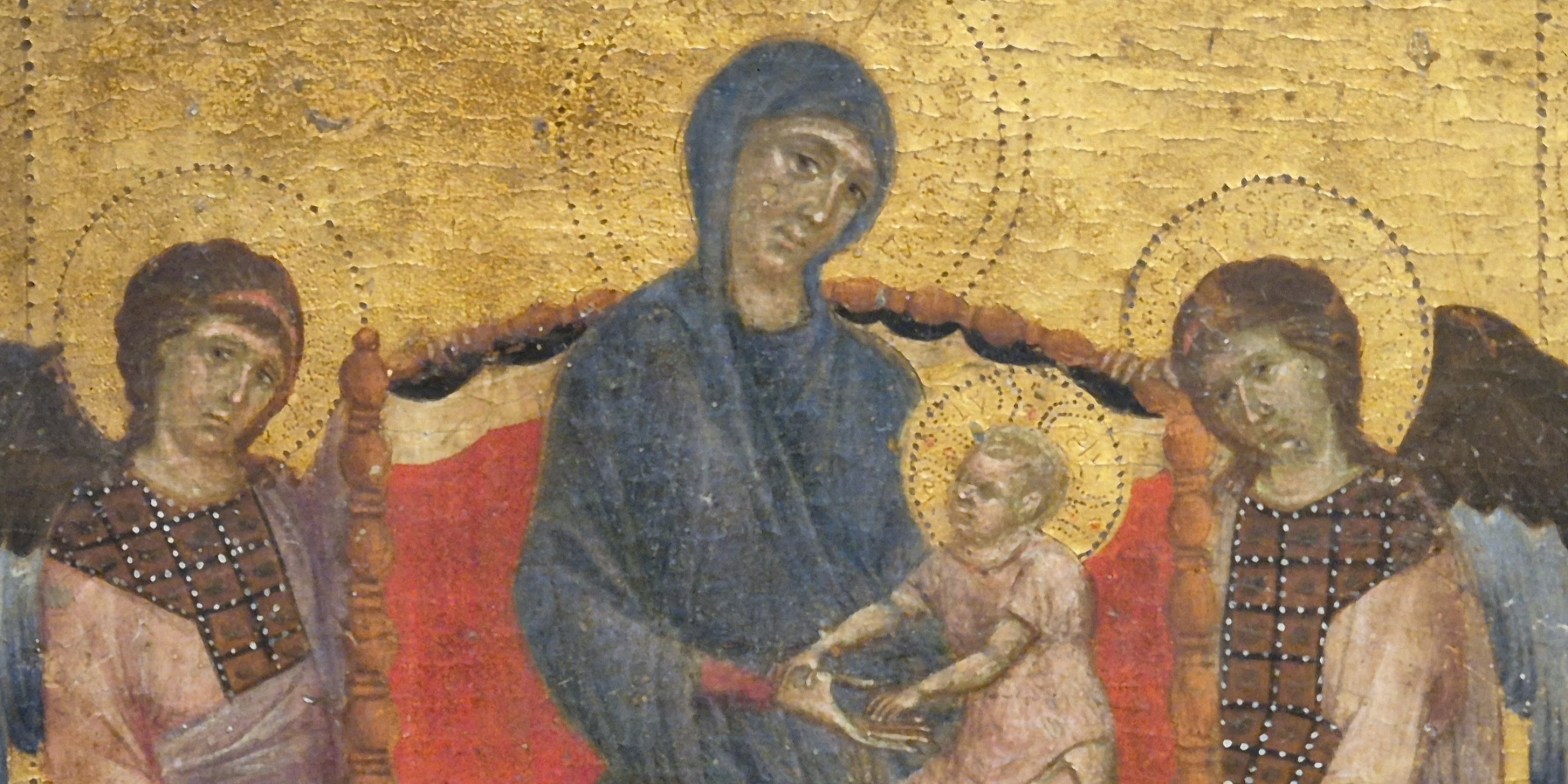
Cimabue, The Virgin and Child with Two Angels, about 1280-85. The National Gallery, London. I confess that I have always been slightly dubious about the status of ‘Cimabue’ in the History of Art. After all, only one of his works is documented, and that is a mosaic: how can you establish an artist’s oeuvre onContinue reading “251 – Heaven brought down to earth”
Take two: remarkable women
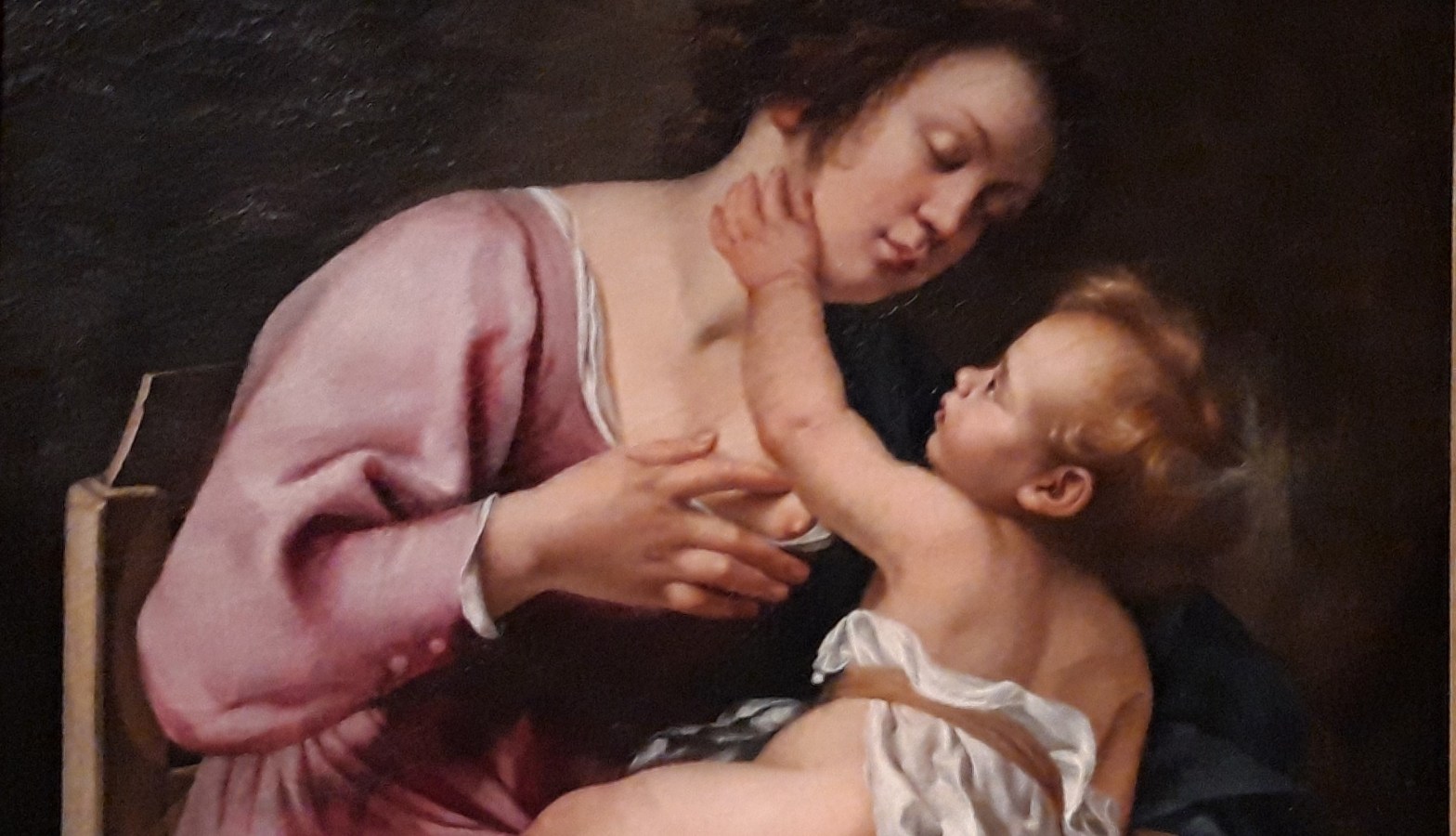
Artemisia Gentileschi, Madonna and Child, c. 1613-14. Galleria Spada, Rome. Artemisia Gentileschi truly was a remarkable woman, and a great artist. When I first posted this blog (in the Autumn of 2020) I had already written about her twice (Picture Of The Day 17 and POTD 69), but she is always worth coming back to.Continue reading “Take two: remarkable women”
250 – What’s in a name?

Victor Hugo, The Cheerful Castle, c. 1847. Maisons de Victor Hugo Paris/Guernsey. This week – Monday 2 June at 6pm, to be precise – I am looking forward to talking about the truly astonishing drawings by Victor Hugo in the Royal Academy’s aptly named exhibition Astonishing Things. If I’m honest, I went to see itContinue reading “250 – What’s in a name?”
249 – Rushing to the wrong conclusion (or, How to Look at Sculpture)

Ernst Barlach, The Avenger, 1922. Ernst Barlach Haus, Hamburg. I can’t remember when I fell in love with the work of Ernst Barlach, about whom I will be talking on Monday 26 May. It could have been soon after the opening of Tate Modern, 25 years ago, when I included a version of today’s workContinue reading “249 – Rushing to the wrong conclusion (or, How to Look at Sculpture)”
248 – More value than many sparrows
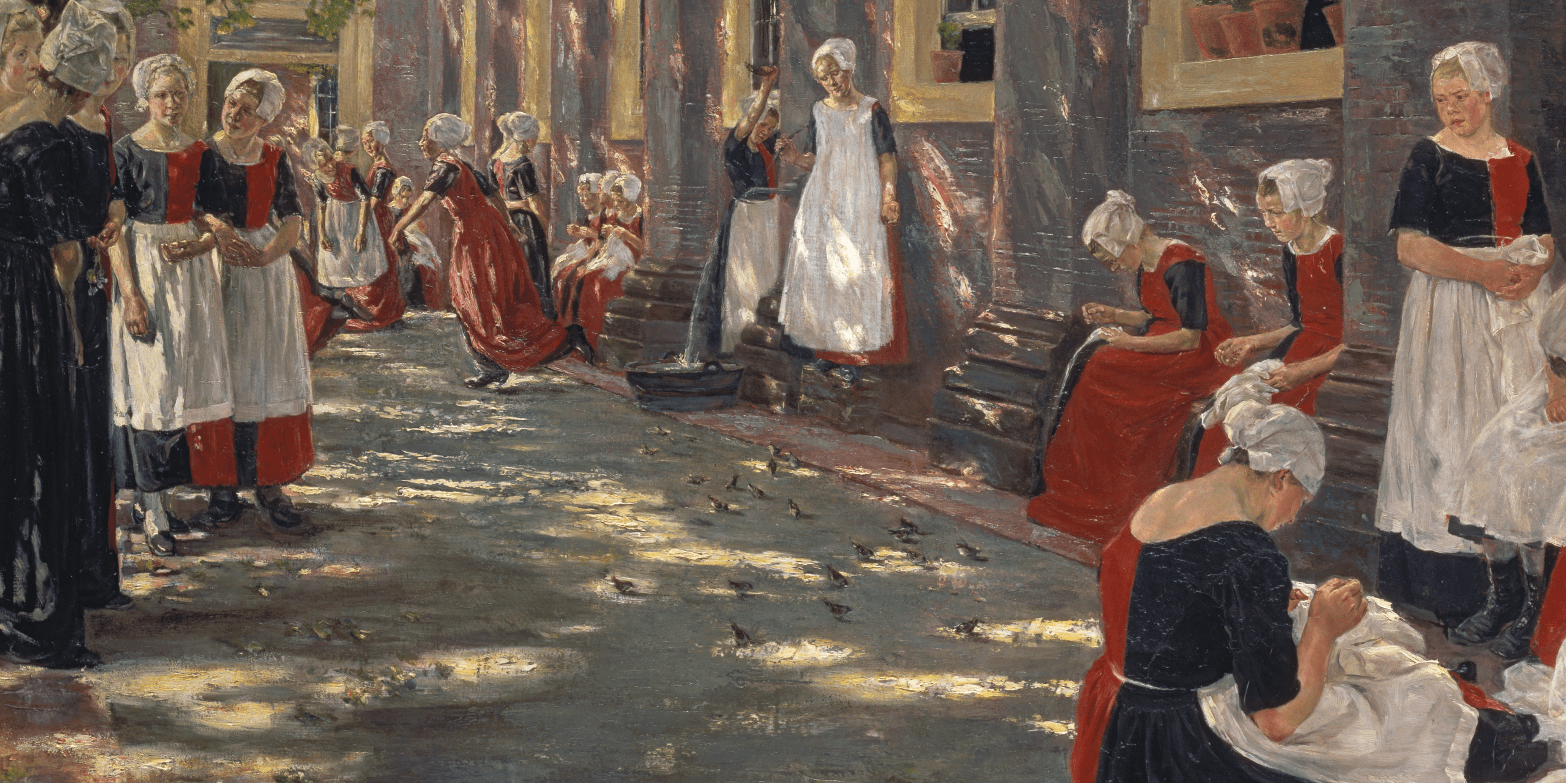
Max Liebermann, Free Time in the Amsterdam Orphanage, 1881-82. Städel Museum, Frankfurt. German Impressionism – the subject of my talk on Monday, 19 May – was not a direct rejection of the pristine surfaces and clear, crisp colours of the Nazarenes, who I talked about earlier this week, but it so easily could have been.Continue reading “248 – More value than many sparrows”
247 – In the midst of the doctors?

Marie Ellenrieder, Christ in the Temple, 1849. Royal Collection Trust. My next stop on the journey through early modern German art will be The Nazarenes, this Monday, 12 May at 6pm. If you’ve never heard of them, don’t worry, but they are rather wonderful and should be known! Nevertheless, a striking feature of the HistoryContinue reading “247 – In the midst of the doctors?”
246 – Lonely as a Cloud?
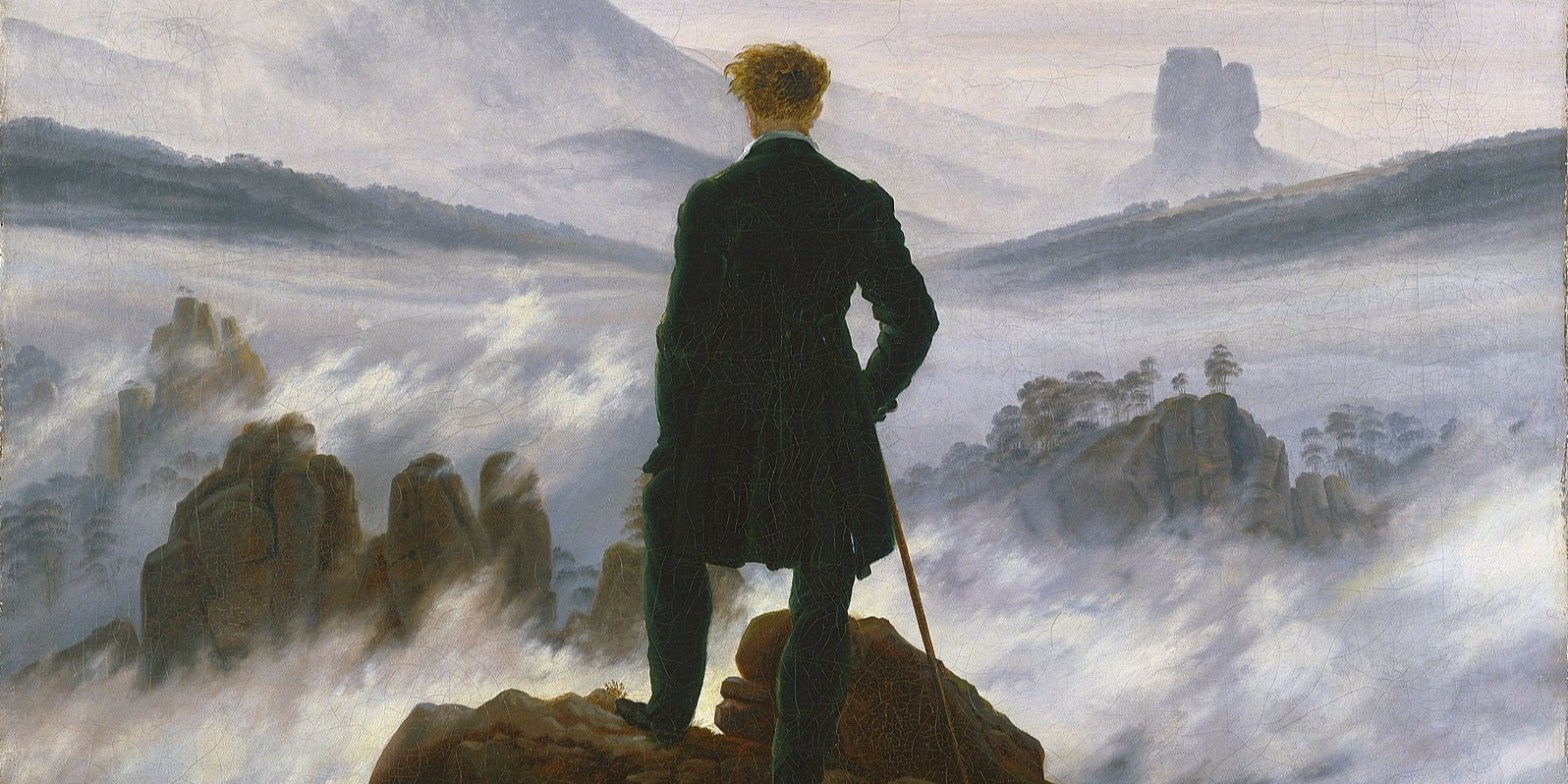
Caspar David Friedrich, Wanderer above the Sea of Fog, about 1817. Kunsthalle, Hamburg. Caspar David Friedrich’s Wanderer above the Sea of Fog is one of the archetypal images of German Romanticism – so what better painting to look at as an introduction to my eponymous talk this Monday, 5 May at 6pm? To be honest,Continue reading “246 – Lonely as a Cloud?”
Flora: a second bloom

Evelyn De Morgan, Flora, 1894. De Morgan Collection. As I said when I originally posted this essay, ‘There have been a plethora of exhibitions of the work of Evelyn De Morgan in the past few years, but I am only now in a position to dedicate an entire talk to her’ – that was inContinue reading “Flora: a second bloom”
 dr richard stemp