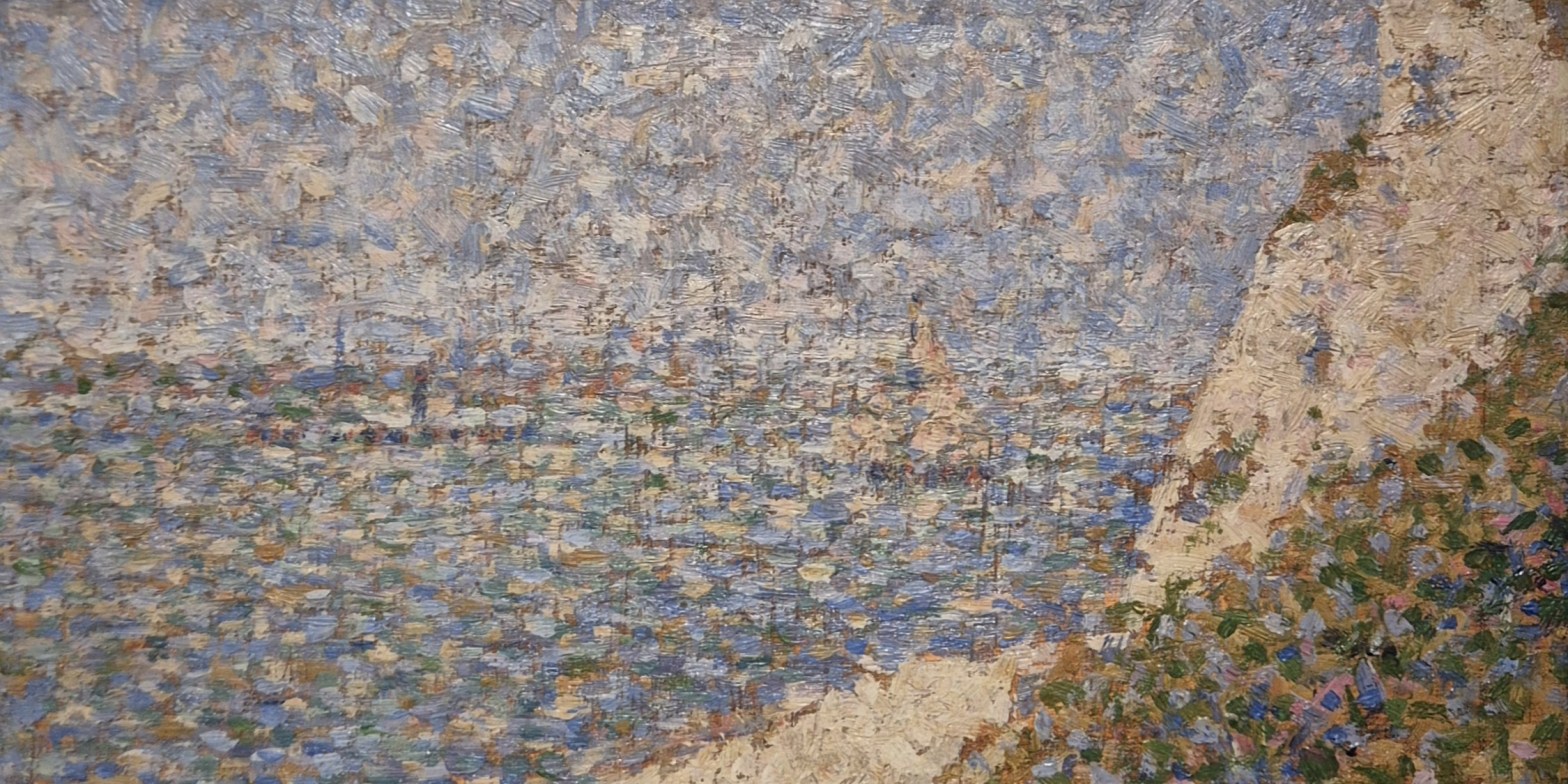
Georges Seurat, Study for ‘The Shore at Bas-Butin (Honfleur)’, 1886. Baltimore Museum of Art. I’ve mentioned it a couple of times already, but The Courtauld’s enormously successful Seurat and the Sea is selling out regularly – but not too far in advance, fortunately (most days next week are still available, for example). I will beContinue reading “271 – Drunk on light”
Category Archives: Landscape
270 – Don’t sing a nocturne just yet
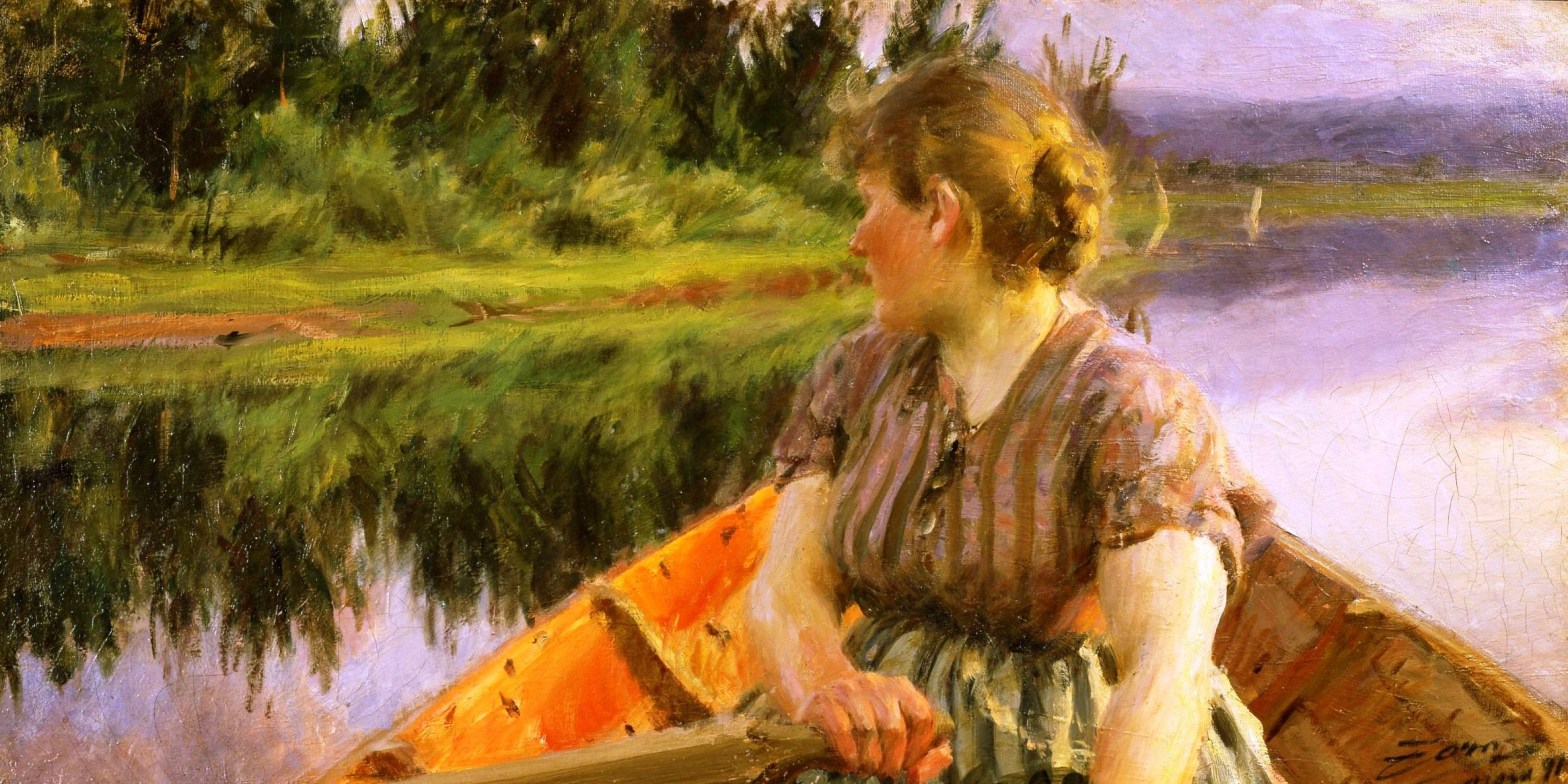
Anders Zorn, Midnight, 1891. Zornmuseet, Mora. I am looking forward to paying a return visit to the wonderful exhibition I saw in Hamburg earlier this year for Anders Zorn (Part II) at 6:00pm on Monday, 16 March. This will be a second chance to enjoy the rich colour and painterly splendour of Sweden’s great artist,Continue reading “270 – Don’t sing a nocturne just yet”
The End of the Rainbow
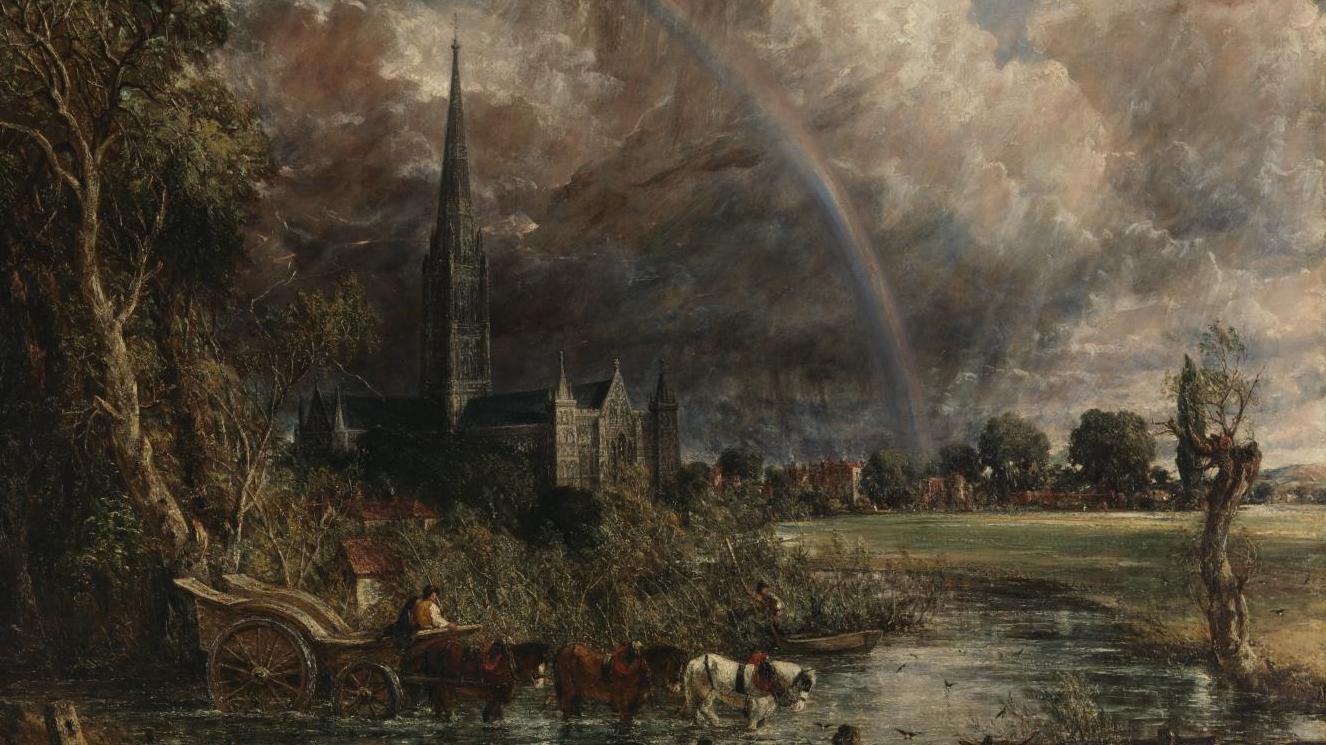
John Constable, Salisbury Cathedral from the Meadows, 1830-31. Tate Britain, London. Happy New Year! I’m looking forward to getting going straight away, and even before Christmas has officially ended. On 5 January 2026 at 6:00pm (which is the 12th Day of Christmas) I will be talking about Tate’s superb Turner & Constable exhibition, which is worthContinue reading “The End of the Rainbow”
262 – Stand well back

Joseph Wright of Derby, The Annual Girandola at the Castel Sant’Angelo, 1775-76. Walker Art Gallery, Liverpool. Wright of Derby: From the Shadows – the exhibition at The National Gallery which I will be talking about this Monday, 24 November at 6pm – is one of those exhibitions which takes a small slice of an artist’sContinue reading “262 – Stand well back”
261 – Joining the dots

Anna Boch, During the Elevation, 1893. Mu.ZEE, Ostend. I confess that I have never visited the Kröller-Müller Museum in Otterlo, despite the fact that it has the most extraordinary collection of paintings: before the opening of the Van Gogh Museum in Amsterdam, for example, this was the best collection of his work. The majority ofContinue reading “261 – Joining the dots”
250 – What’s in a name?

Victor Hugo, The Cheerful Castle, c. 1847. Maisons de Victor Hugo Paris/Guernsey. This week – Monday 2 June at 6pm, to be precise – I am looking forward to talking about the truly astonishing drawings by Victor Hugo in the Royal Academy’s aptly named exhibition Astonishing Things. If I’m honest, I went to see itContinue reading “250 – What’s in a name?”
246 – Lonely as a Cloud?
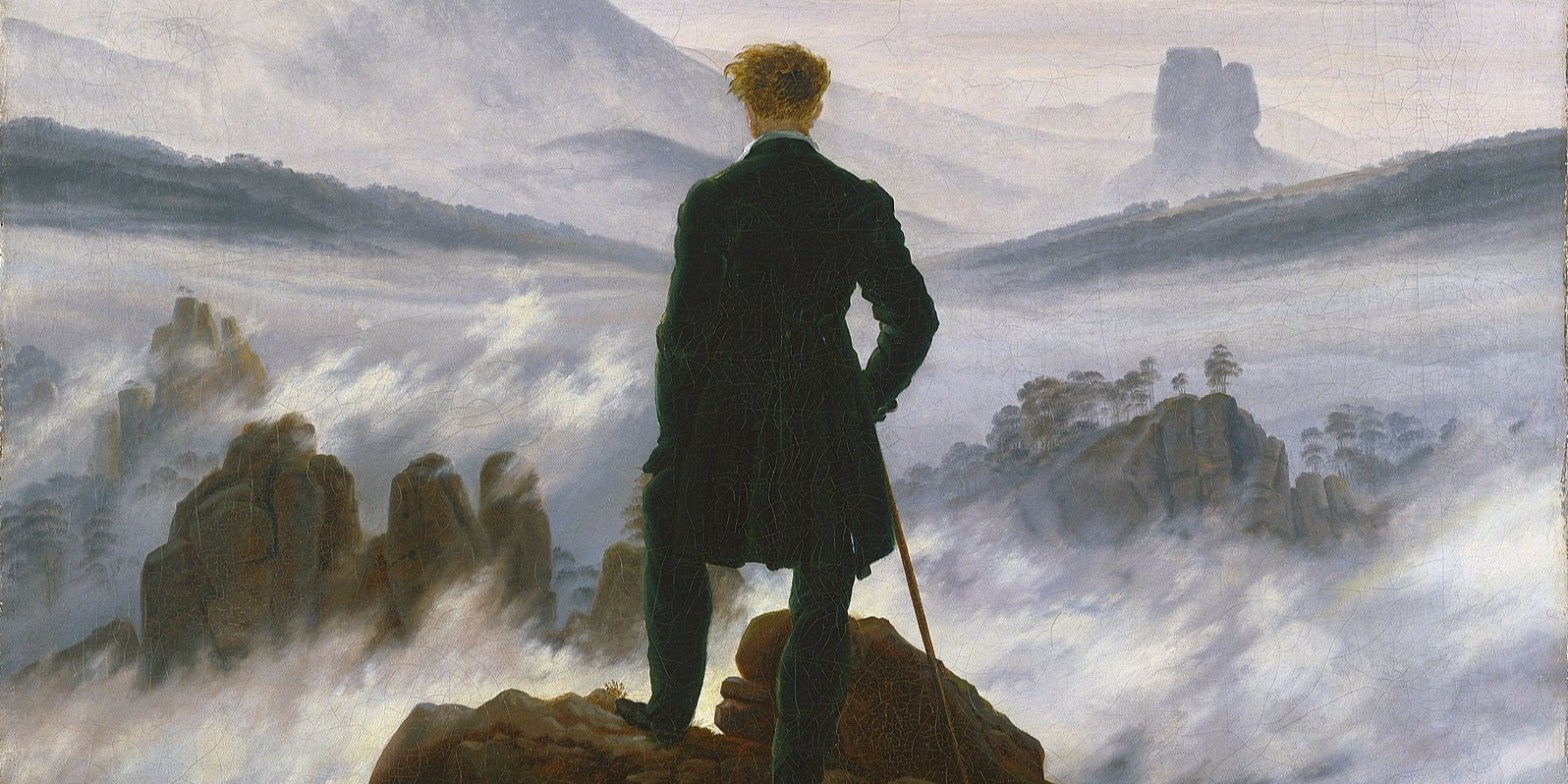
Caspar David Friedrich, Wanderer above the Sea of Fog, about 1817. Kunsthalle, Hamburg. Caspar David Friedrich’s Wanderer above the Sea of Fog is one of the archetypal images of German Romanticism – so what better painting to look at as an introduction to my eponymous talk this Monday, 5 May at 6pm? To be honest,Continue reading “246 – Lonely as a Cloud?”
240 – A mother’s grief

Raphael, The Deposition, 1507. Galleria Borghese, Rome. I will be talking about Women as Patrons in the Renaissance this Monday, 27 January at 6pm, and so today I want to take a look at one of the most famous of the relatively few works of art which actually was commissioned by a woman. One ofContinue reading “240 – A mother’s grief”
239 – Saint Christina of Bolsena!
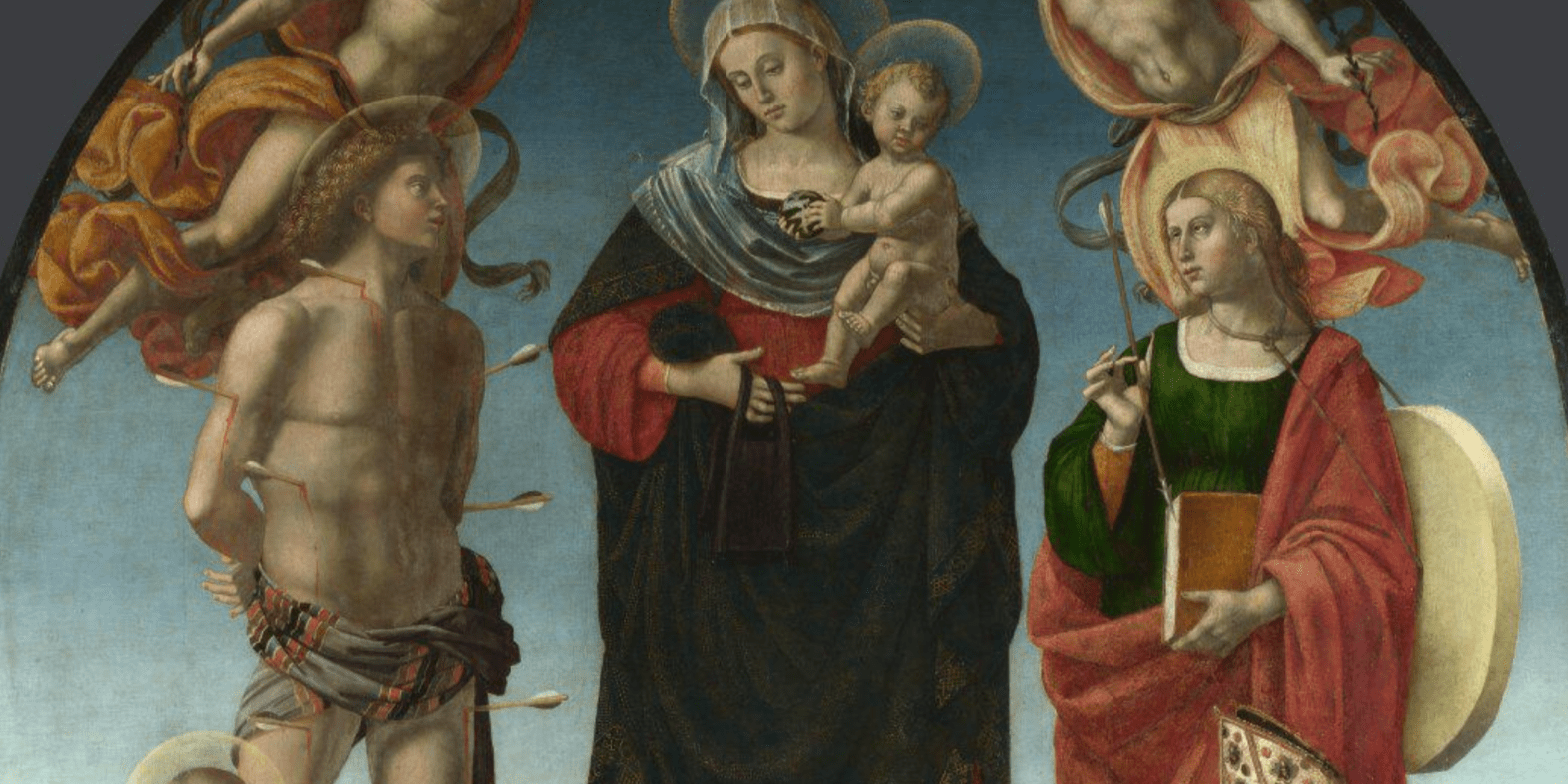
Luca Signorelli, Virgin and Child with Saints, 1515. The National Gallery, London. This Monday, 13 January I will be talking about the National Gallery’s superb, small-scale exhibition Parmigianino: The Vision of Saint Jerome, expanding on what is on display with reference to the superb and thoroughly researched catalogue. Earlier this week, while talking about theContinue reading “239 – Saint Christina of Bolsena!”
238 – Following the Magi

Masaccio, The Adoration of the Magi, 1426. Gemäldegalerie, Staatliche Museen zu Berlin. Happy New Year! And as Monday will be the Feast of the Epiphany, I thought that it would be a good idea to talk about a painting of The Adoration of the Magi today. I have chosen Masaccio’s version rather than any ofContinue reading “238 – Following the Magi”
 dr richard stemp