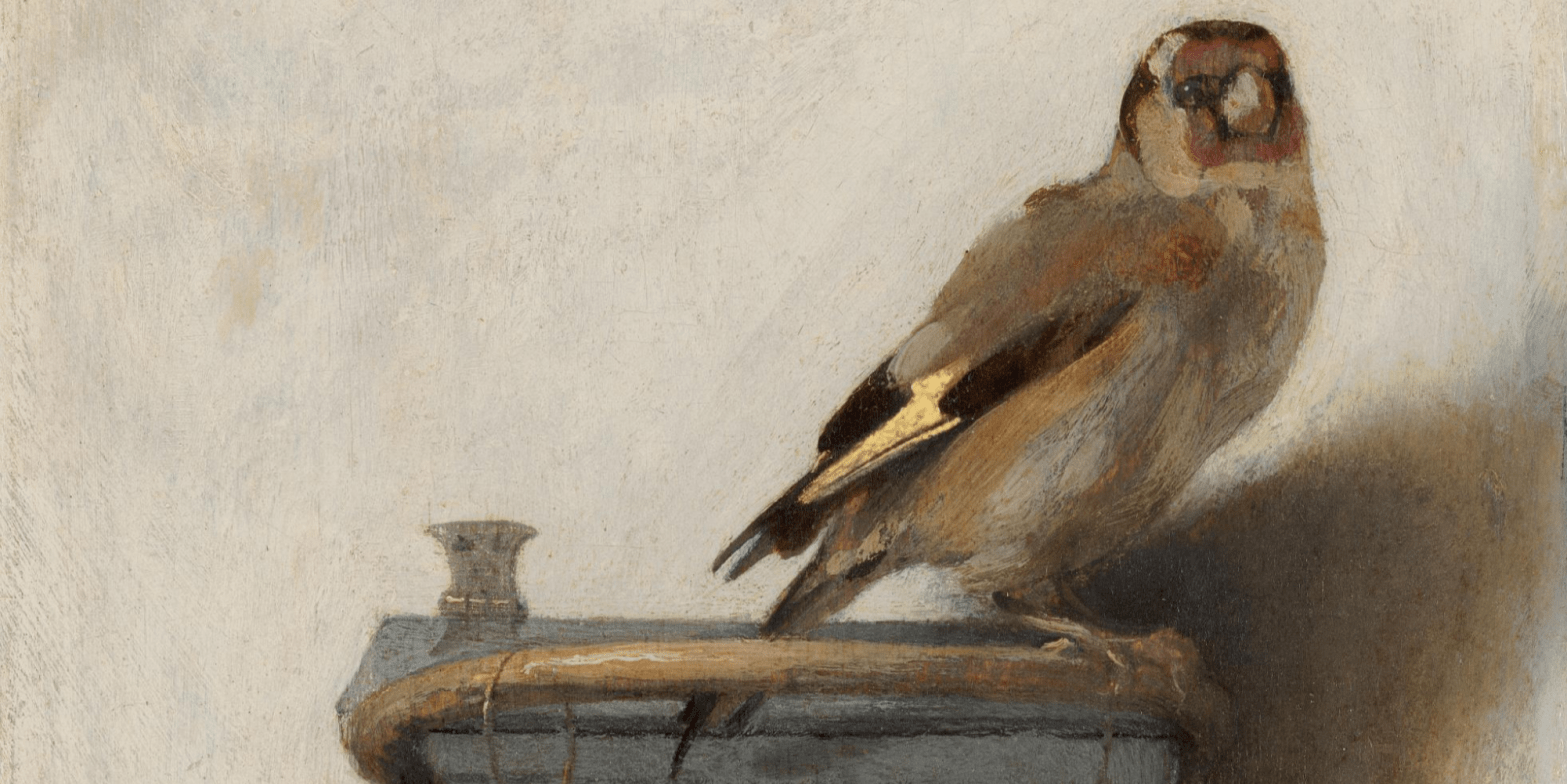
Carel Fabritius, The Goldfinch, 1654. Mauritshuis, The Hague. Some paintings are so simple they seem obvious, while others simply defy explanation. I feel certain that today’s painting falls somewhere between the two: a painting of a bird that has somehow become an international celebrity, with an expression as inscrutable as the Mona Lisa, or, closerContinue reading “222 – Potentially singing”
Author Archives: drrichardstemp
221 – Caravaggio: the witness witnessed
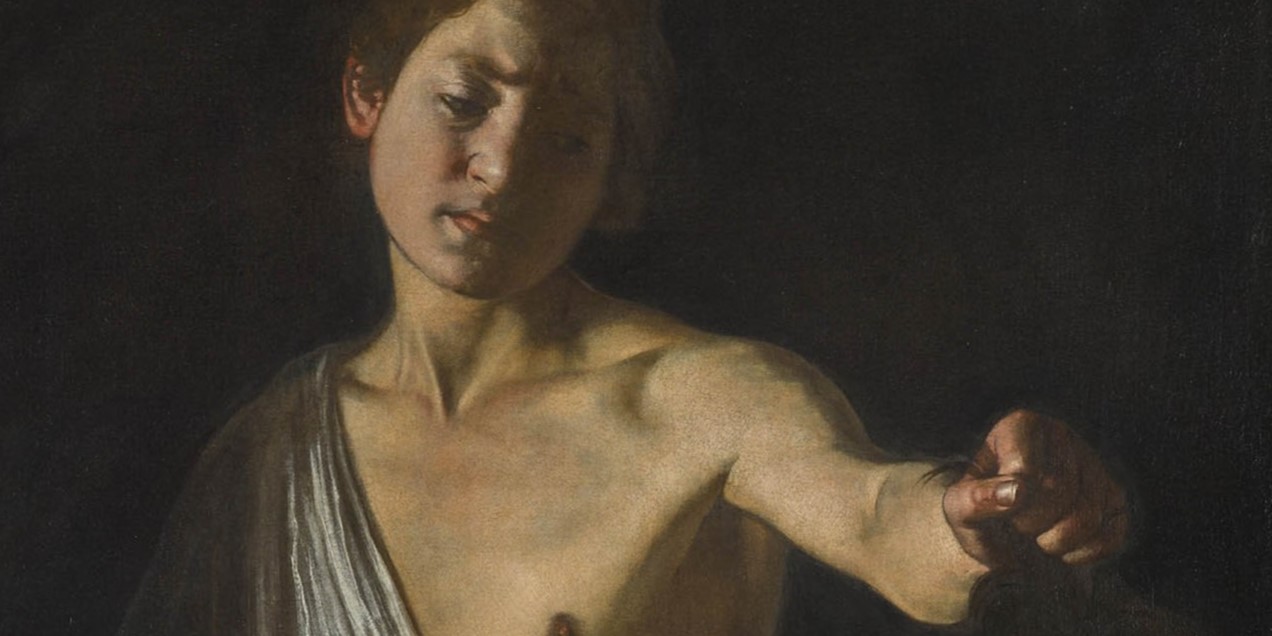
Michelangelo Merisi da Caravaggio, David with the Head of Goliath, 1606-07 or 1609-10. Galleria Borghese, Rome. I was very lucky to be able to get into the National Gallery before opening time last week, and had the unequalled opportunity to see The Last Caravaggio on my own. In terms of the National Gallery’s ‘small andContinue reading “221 – Caravaggio: the witness witnessed”
220 – At the end of the day

Frederic Leighton, The Garden of the Hesperides, c.1892. Lady Lever Art Gallery, Port Sunlight. After some delay I will be very happy to talk about Frederic Leighton and Flaming June at last – this Monday, 22 April at 6pm. This is a superb opportunity to focus on a painting which is widely recognised as theContinue reading “220 – At the end of the day”
Transfigured (and Repeated)

Apse Mosaic, c. 549. Sant’Apollinare in Classe, Ravenna. This coming Monday, 8 April, at 6pm, I will be Revealing Ravenna – or at least, talking about the remarkable mosaics, putting them in their historical and religious context, and explaining why the best Byzantine art is in Italy, rather than Istanbul. The following week I willContinue reading “Transfigured (and Repeated)”
A Second Helping of ‘The Last Supper’
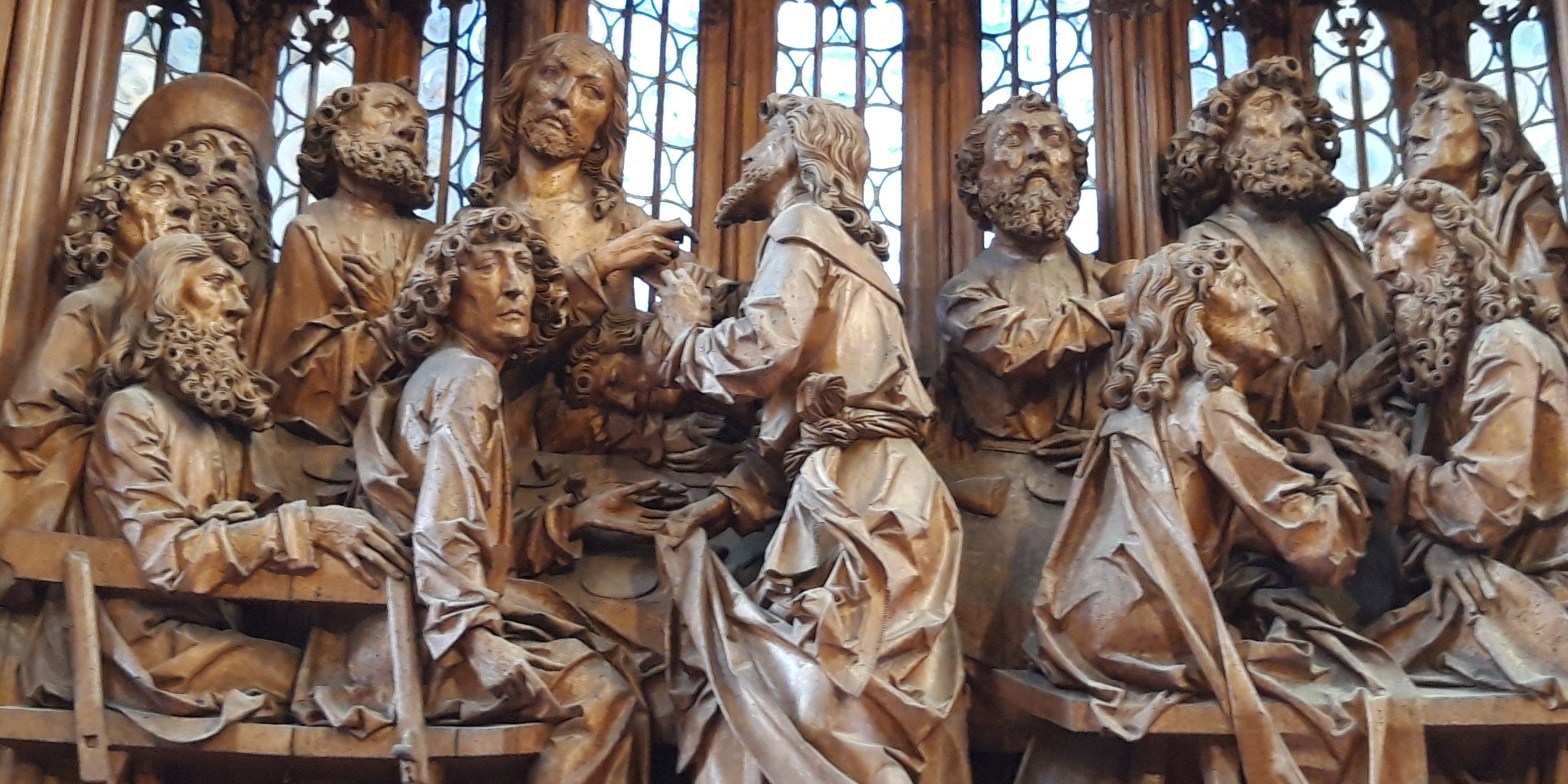
Tilman Riemenschneider, The Last Supper, 1499-1505, St. Jacobskirche, Rothenburg ob der Tauber I’m so sorry, I won’t be able to talk about Flaming June on Monday, 1 April – you can blame a combination of TalkTalk and Openreach. We’ve finally made it to Merseyside, and should have been connected to the internet on Monday, butContinue reading “A Second Helping of ‘The Last Supper’”
Another task for Mary

Dirk Bouts, The Virgin and Child, c. 1465. The National Gallery, London. On Monday 18 March I will reach the third leg of my Stroll around the Walker, and will look at the beautiful and varied images of Mary and Jesus in the Liverpool collection in a talk entitled The Virgin and Child… and otherContinue reading “Another task for Mary”
Back to the Crossroads
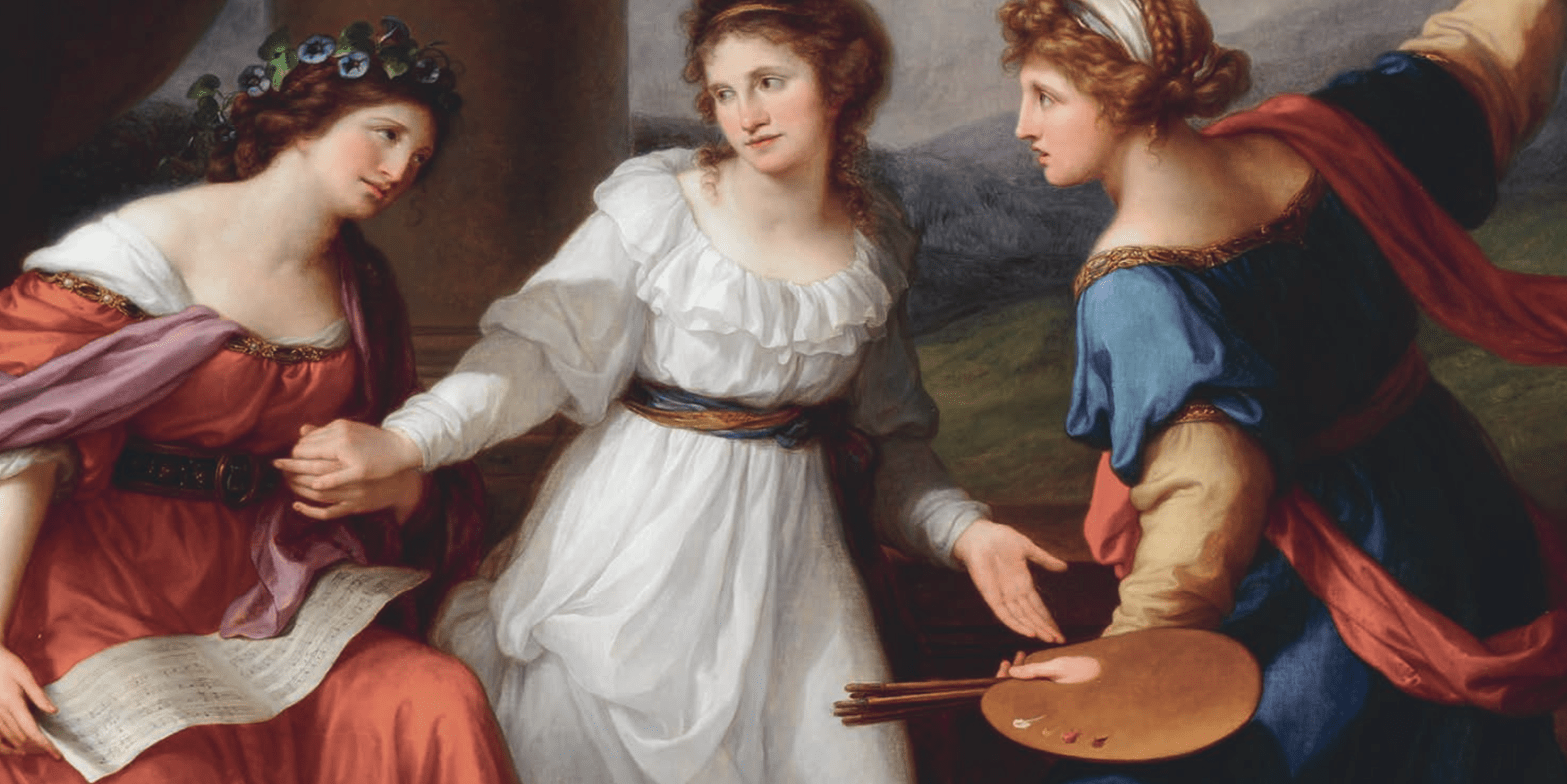
Angelica Kauffman, Self Portrait at the Crossroads between the Arts of Music and Painting, 1794. National Trust Collections, Nostell Priory, West Yorkshire. This Monday, 11 March, I will talk about the Royal Academy’s long-awaited exhibition Angelica Kauffman. And to introduce that, I am re-posting an entry from the early days of this blog – ‘day 14’ toContinue reading “Back to the Crossroads”
219 – Sargent and sprezzatura

John Singer Sargent, Lady Agnew of Lochnaw (Gertrude Vernon), 1892. National Galleries of Scotland. Don’t believe what the critics say. And for the same reason, you shouldn’t believe what I say. No one can be expected to know everything. Critics very often have no time to think about what they’ve seen, and they could beContinue reading “219 – Sargent and sprezzatura”
218 – Living two lives

Dante Gabriel Rossetti, Proserpine, 1881-82. Birmingham Museum and Art Gallery. With the appalling news that over the next two years the Birmingham City Council will be cutting its arts funding to leading institutions by 100%, I am especially looking forward to talking about the exhibition Victorian Radicals: From the Pre-Raphaelites to the Arts and CraftsContinue reading “218 – Living two lives”
217 – Of Pelicans and Queens

Nicholas Hilliard, Queen Elizabeth I, about 1575. National Portrait Gallery, London. After an enjoyable stroll around the first half of Room 1 at the Walker Art Gallery in Liverpool earlier this week (thank you to all those who came!), I’m looking forward to returning for (The High) Renaissance Rediscovered this Monday, 19 February at 6pm,Continue reading “217 – Of Pelicans and Queens”
 dr richard stemp